Checking a box on a government form is the easy part. The hard part is understanding why your coverage looks different from a coworker’s, even when your incomes are close. It also helps to know what happens if last year’s tax return does not match what you earn now.
You likely qualify for the Canadian Dental Care Plan if you meet four conditions. You are a Canadian resident for tax purposes. You filed last year’s tax return. You have no access to private dental insurance through an employer, a pension, or a spouse’s plan. Your adjusted family net income sits under $90,000. Where your income falls inside that range decides how much CDCP actually pays, not just whether you qualify.
Dr. Aayushi Sharma, DDS, answers eligibility questions about the CDCP program at Meadowleaf Dental most weeks. She sees these questions at new patient intake often, and two points trip people up every time. They mix up which income tier applies to them, or assume they can apply before filing a tax return.
What to know before you check your CDCP eligibility
- Adjusted family net income must sit under $90,000, and your tier inside that range sets your coverage percentage.
- Access to private dental insurance can make you ineligible, even if you never use it.
- CDCP needs a filed tax return and a notice of assessment on file before it confirms your income tier.
- CDCP pays toward its own set fee amounts, so a higher dentist fee can leave you owing a balance.
- Check your status through your CRA My Account, or call Meadowleaf Dental before you book.
What the four CDCP income tiers actually pay
CDCP sorts eligible applicants into four income bands, and each band pays a different share of the plan’s own fee amounts. Under $70,000 in adjusted family net income gets 100% coverage. Between $70,000 and $79,999 pays 60%. Between $80,000 and $89,999 pays 40%. At $90,000 and above, you do not qualify for CDCP at all.
The Government of Canada sets these thresholds for the current benefit year. Check the current figures at canada.ca before you apply, since program numbers can change over time. Sun Life Financial runs the plan for the government. Sun Life checks your income against the tax return the Canada Revenue Agency already has on file.
A single parent earning $65,000 falls in the top tier and pays nothing toward CDCP’s covered amount for a basic cleaning. A dual-income household reporting $82,000 combined falls in the 40% tier instead, and pays the remaining 60% of CDCP’s set fee out of pocket. Both examples assume no other dental coverage applies in the household. These numbers apply to the household, not just your own paycheque.
Will CDCP cover your full bill, or could you still owe something?
Not always, even at the top tier. CDCP pays against its own published fee amounts for each procedure, not necessarily what your dentist charges. If your dentist’s fee runs higher than that amount, you owe the difference. People often call this balance billing.
Meadowleaf Dental checks the CDCP amount against a routine dental checkup or a larger treatment before work begins, so patients know the cost before checkout. This surprises people more than the income tiers do. A patient at the top coverage tier can still see a small balance after a cleaning or filling, whenever a clinic’s fee sits above the plan’s amount for that procedure. Most patients never see this gap, since many routine procedures fall right at or under CDCP’s set amount.
Ask your dentist’s office to confirm the CDCP amount against their own fee before treatment starts. That is the only way to know your real cost ahead of time.
Does having private insurance disqualify you?
Generally, yes. CDCP considers you ineligible if you have access to dental insurance through an employer, a pension, or a spouse’s or common-law partner’s plan. This applies even if you declined that coverage, pay a premium for it, or never use it. The plan targets people who genuinely have no other option for dental coverage.
There are narrow exceptions. Retirees may still qualify if they opted out of an employer’s dental benefits before December 11, 2023. They must also be unable to opt back in under that plan’s own rules. Coverage through a provincial or territorial government program does not disqualify you either, since CDCP works with those programs instead of replacing them.
Report any change right away. Say your employer drops its dental benefit partway through the year. Tell CDCP when you apply, and do not assume your old answer still holds.
Which CDCP-covered treatments come up most often
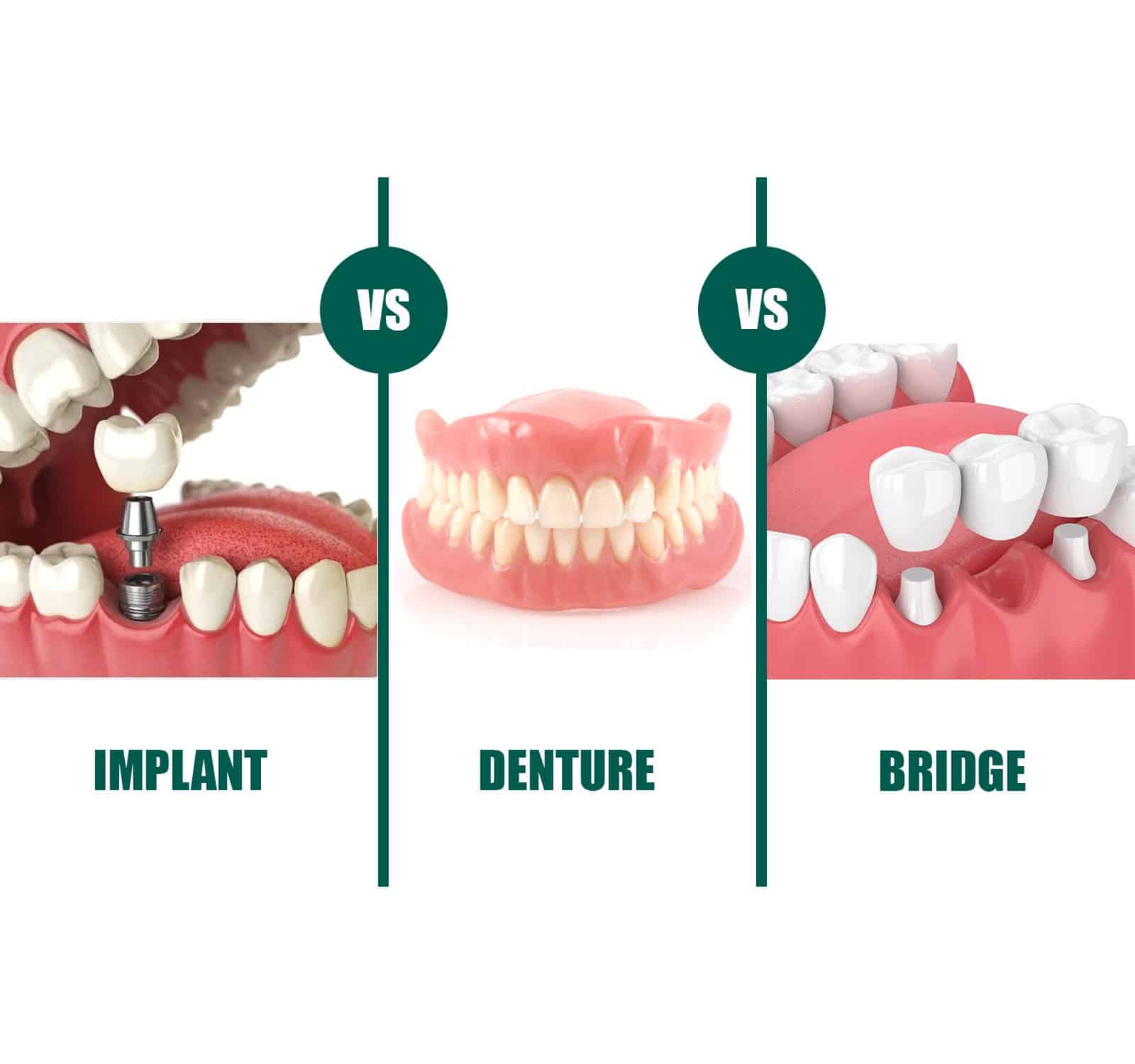
CDCP covers routine exams, cleanings, X-rays, fillings, extractions, and root canal treatment outright. CDCP covers crowns, dentures, and bridges too. Larger cases like these usually need advance approval first. That means CDCP reviews and approves the treatment plan before work begins, which can take a little time.
CDCP covers gum disease treatment too. Professional gum care treatment often catches problems early, and catching a problem early can prevent a bigger, less-covered procedure down the road. CDCP does not cover cosmetic treatments, cosmetic orthodontics, or dental implants, unless a specific implant counts as medically necessary. Check that directly if it applies to you. Ask before treatment starts if you are not sure whether CDCP covers a procedure.
Preauthorization can add a few weeks before a larger treatment starts. Ask about the timeline as soon as your dentist recommends a crown, denture, or bridge, so nothing catches you off guard.
What if your income or coverage changes partway through the year?
Report it right away. CDCP bases your tier on the tax return already on file. A raise, a new job with benefits, or a spouse gaining coverage does not update your tier mid-year. These changes do affect your next renewal, though. Waiting to report a change that makes you ineligible can mean paying back coverage you did not qualify for.
Renewal happens every year, using your most recent tax return. File on time each year to keep your tier accurate, or CDCP defaults to whatever the CRA has on record. If you are ever unsure which tier applies, Meadowleaf Dental’s front desk can walk through the numbers with you before your appointment. Only the CRA can confirm your official status, though. A small change is easy to fix. Call CDCP directly if you are not sure what to report.
Confirming your CDCP eligibility at Meadowleaf Dental in Edmonton
The fastest way to know your CDCP status for certain is your CRA My Account, where the government confirms your income tier directly. Meadowleaf Dental sits in the Meadows neighbourhood of Edmonton and holds CDCP provider registration, billing Sun Life directly. Once CDCP confirms your eligibility, the paperwork does not fall on you. Meadowleaf Dental sits at 3908 17 St NW, in the heart of The Meadows.
Dr. Sharma and the rest of the Meadowleaf Dental team can also submit a preauthorization request on your behalf for anything beyond routine care. That is worth asking about at your first visit. Meadowleaf Dental sees CDCP patients from across southeast Edmonton, including The Meadows, Tamarack, and Wild Rose. The office also offers Saturday appointments for anyone who cannot get away from work on a weekday.
Still not sure where you land? Call Meadowleaf Dental at (780) 485-2911 or book online. Dr. Sharma’s team will check your CDCP eligibility with you before your first appointment.