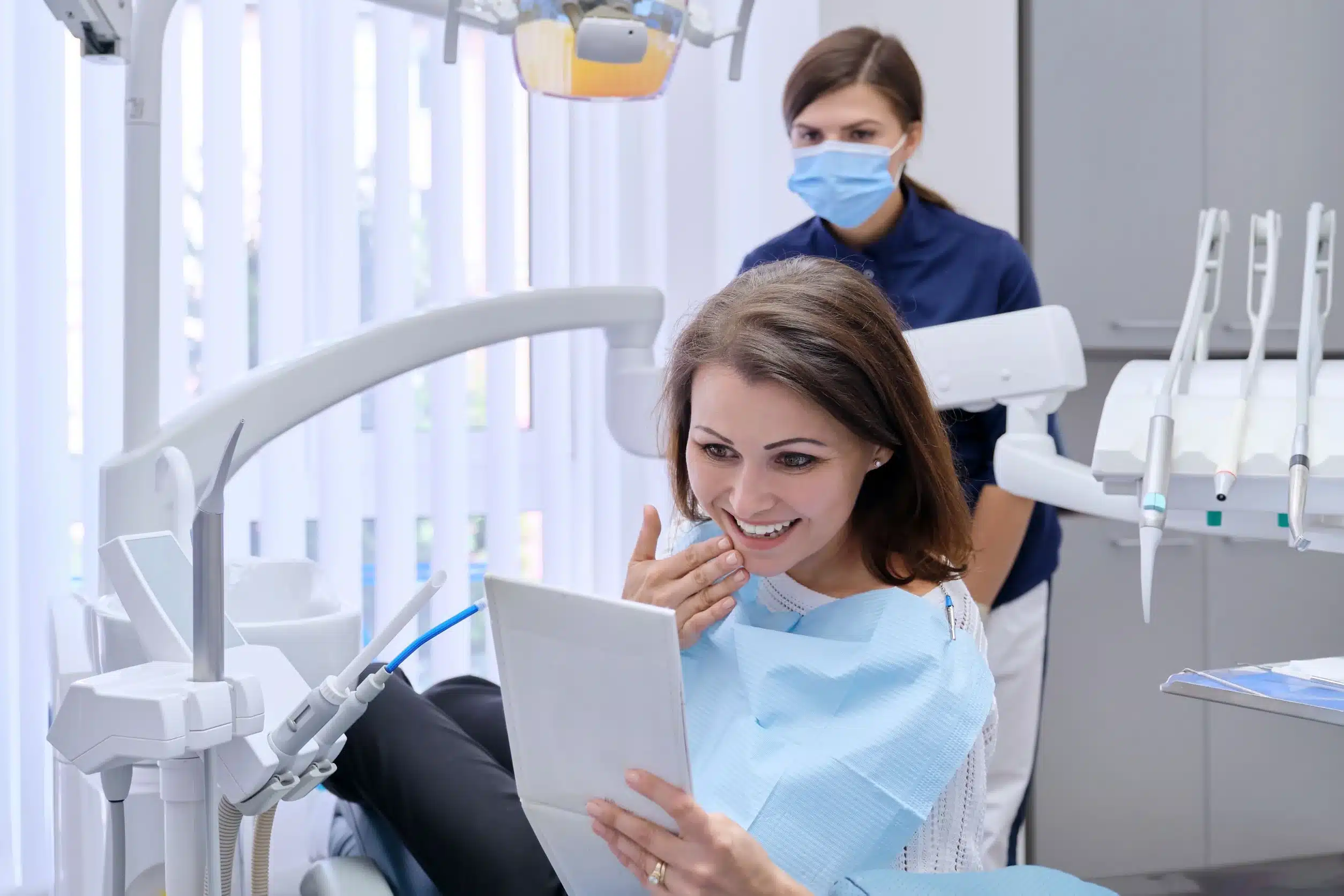
An oral appliance is a custom device worn in the mouth at night. You take it out in the morning. A dentist trained in sleep medicine can fit one for some people who already have a sleep apnea diagnosis. An evaluation helps you find out whether it suits you.
An oral appliance can be a good option for adults who have a sleep apnea diagnosis, especially mild to moderate cases. It may suit people who prefer an alternative to CPAP or find CPAP hard to use. A physician or sleep specialist confirms the diagnosis first, usually with a sleep study. Your dentist will then check your teeth, gums, jaw joints, and bite to see whether an appliance can be worn comfortably.
Dr. Rahim Ali, a general dentist here, completed certification in dental sleep medicine in 2025. He offers oral appliance therapy for snoring and sleep apnea. You can begin with our sedation and sleep dentistry service, and we will work alongside your physician, since a dentist does not diagnose sleep apnea.
Key takeaways if you are exploring an oral appliance
- A physician or sleep specialist diagnoses sleep apnea first, and a sleep study usually confirms it.
- Oral appliances are most often used for mild to moderate sleep apnea, or when CPAP is hard to tolerate.
- The dental evaluation looks at four things: your teeth, your gums, your jaw joints, and your bite.
- Some people see limited improvement, so follow-up visits help confirm the appliance is working.
- Bring your sleep study report to your first visit if you have one.
Do you need a sleep study before a dental evaluation?
Yes, a sleep apnea diagnosis comes first. A physician or sleep specialist reviews a sleep study, either at home or in a sleep clinic, and tells you whether you have sleep apnea and how severe it is. That result guides which treatments make sense. Sleep studies count how often your breathing pauses each hour, which is how physicians rate sleep apnea as mild, moderate, or severe.
A dentist can talk with you about snoring and answer questions, but a dentist does not make the diagnosis. Your physician leads that step. If you have not had a sleep study, your family doctor can refer you. Once you have a report, we can look at it with you and plan the dental part of your care.
Which sleep apnea cases can an oral appliance help?
Oral appliances tend to work best for mild to moderate sleep apnea. They can also be an option for people with more severe sleep apnea who cannot tolerate CPAP, when their physician agrees. For severe cases, CPAP often remains the main treatment.
Many people ask whether an appliance works as well as CPAP. CPAP usually lowers breathing interruptions more, but some people wear an appliance more consistently because it is small and quiet. Your physician can help you weigh those trade-offs, and you can read about CPAP versus a dentist-fitted oral appliance before you decide.
What does the dental evaluation check?
The evaluation is different from a regular exam because it focuses on the parts of your mouth that carry an appliance. Your dentist will start by reviewing your sleep study results and any medical history you share. Then we look closely at your mouth. We keep the visit unhurried, and you are welcome to ask about each step as it happens.
During your visit, your dentist will typically check the following.
- Your teeth, including how many you have and how stable they are
- Your gums, since healthy gums help you wear an appliance comfortably
- Your jaw joints, including any clicking, pain, or stiffness
- How your teeth meet and how far your jaw moves forward
Many appliances gently move the lower jaw forward while you sleep. That is why the strength of your teeth and the comfort of your jaw matter. Your dentist makes a custom appliance from impressions or scans of your teeth. It fits your mouth rather than a standard shape.
Oral appliances when CPAP is hard to tolerate
Some people find the mask, the air pressure, or the noise of CPAP difficult. If that sounds familiar, talk with your physician first. They can decide whether an oral appliance is a reasonable next step, and they can send us the details.
Your physician stays involved throughout, and that teamwork keeps your care coordinated. Many people also need some time to adjust to wearing an appliance, so early follow-up visits are useful. We work with you on the appliance, and your physician tracks how your sleep apnea responds.
Follow-up matters even when things go well. Your dentist checks how the appliance fits and how your bite feels. You can also tell us whether snoring and daytime tiredness are improving, and your physician can repeat a sleep study to confirm the results.
How your jaw and bite affect the choice
Jaw and bite health shape the fit of any appliance, and every mouth is a little different. If you already clench or grind, or you have jaw pain, a TMJ and bite evaluation can show how your jaw joints move and whether an appliance may add strain. We already assess jaw tension and bite when we make custom night guards for patients.
Missing teeth, loose teeth, or gum disease can make an appliance harder to wear. Your dentist may suggest treating those concerns first. That keeps the appliance comfortable. Some people notice jaw soreness or small bite changes in the first weeks, and your dentist will check for them at follow-up visits. If the evaluation shows that an appliance may not suit you, we will tell you plainly and suggest next steps with your physician.
What if an oral appliance is not the right fit?
A pause or a different plan is a normal outcome, and your care team will keep working with you. Some people find that an appliance does not improve their sleep apnea enough, or that their jaw or teeth do not suit one. Your dentist will explain what they see, and your physician can suggest another path, such as adjusting CPAP or trying a different treatment.
You do not have to figure this out alone. Bring your questions about the process, the follow-up visits, and what a typical adjustment period involves, and we will go through them with you. Dr. Ali’s dental sleep medicine certification means we can explain how an appliance works and what the follow-up looks like.
Starting your evaluation in The Meadows
Our office at 3908 17 St NW welcomes appointments from Tuesday to Saturday. Friday and Saturday hours run from 9 a.m. to 3 p.m., and Wednesday runs from 11 a.m. to 7 p.m., so you can choose a time that fits your sleep schedule. Bring your sleep study report and a list of your medications, and mention any jaw pain or grinding. That gives our team what it needs to plan a calm first visit.
If snoring or tiredness has been affecting your days, the team at Meadowleaf Dental is happy to talk through whether an oral appliance could fit into your care.
Call (780) 485-2911 or book online to arrange an evaluation with Dr. Ali.