A partner who complains about snoring is often the first sign something is worth checking. Loud, regular snoring is not just annoying. It can be a symptom of obstructive sleep apnea, a condition where breathing repeatedly stops and starts during sleep.
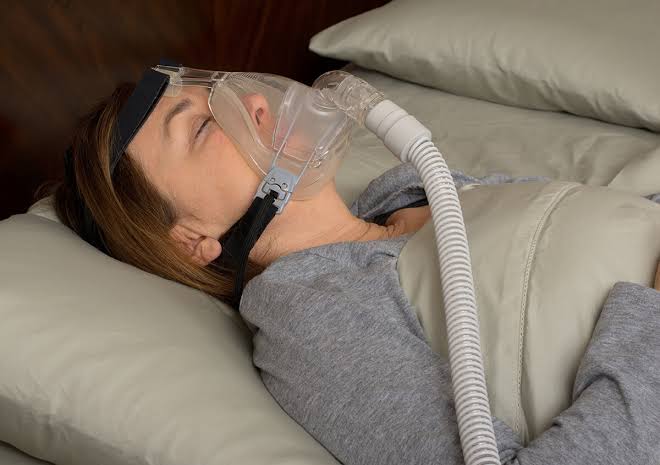
CPAP and dentist-fitted oral appliances are the two main treatments once a doctor diagnoses sleep apnea. CPAP uses a machine and a mask. It keeps the airway open with steady air pressure all night.
An oral appliance works differently. It is a custom-made device you wear at night. It holds the jaw in a position that keeps the airway open. Neither one is universally better. The right choice depends on how severe your case is and what you can actually stick with, night after night.
Dr. Rahim Ali, DDS, completed dental sleep medicine training in 2025. That training extends the sedation and sleep dentistry at Meadowleaf Dental he already provides under his existing certifications. He can evaluate whether an oral appliance fits your case once a physician or sleep study confirms a diagnosis. He says the best treatment is the one a patient actually wears every night, not the one that looks best on paper.
What to know about CPAP and oral appliance therapy
- CPAP generally controls sleep apnea better when used correctly, but many patients find it hard to use every night.
- An oral appliance is easier for most patients to wear every night, mostly for mild to moderate cases.
- A sleep study or physician diagnosis comes first. A dentist fits the appliance but does not diagnose sleep apnea.
- Oral appliances typically cost $1,500 to $2,500 and last three to five years, based on general industry figures.
- Not everyone is a candidate. Severity and jaw structure both matter.
Are you a candidate for an oral appliance?
Mild to moderate sleep apnea is the typical case for this. Patients who cannot tolerate CPAP despite a real effort also fit this group. Jaw structure and dental health matter too. The device has to fit and move the jaw without damaging your teeth or joints.
Meadowleaf Dental already fits custom night guards for patients dealing with teeth grinding and jaw tension. That process uses the same kind of fitting an oral appliance needs, built from a mould or a digital scan.
This is a genuine head start. It is not a new skill built from scratch for this one purpose.
Severe sleep apnea usually still calls for CPAP first. An oral appliance alone often is not enough to control it safely on its own. A dentist can still be part of the plan even in a severe case, sometimes alongside CPAP rather than instead of it. A sleep physician makes that call, not a dentist working alone.
Two very different ways to treat sleep apnea
CPAP stands for continuous positive airway pressure. A machine pushes a steady stream of air through a mask. This keeps the airway from collapsing during sleep. It works for nearly every severity level, from mild to severe. It remains the treatment most sleep physicians recommend first for moderate to severe cases.
An oral appliance works completely differently. It looks similar to a mouth guard. It repositions the lower jaw slightly forward, which helps keep the airway open without any machine at all. Sleep physicians generally recommend it for mild to moderate sleep apnea, or for patients who cannot tolerate CPAP. It fits in a small case and travels easily, unlike a CPAP machine.
Neither device cures sleep apnea. Both manage it, and both only work while you are actually wearing them. The best device is still the one you actually wear. A powerful machine sitting unused in a closet helps nobody, and a comfortable appliance worn every night can outperform it in practice.
CPAP vs. oral appliance, side by side
| CPAP | Oral appliance | |
| How it works | Machine and mask, steady air pressure | Custom device repositions the jaw |
| Works for | Mild to severe cases | Mild to moderate cases, generally |
| Typical nightly use | Requires a machine at the bedside | Fits in a small case, travels easily |
| Real-world adherence | Often lower, many stop using it | Often higher for patients who qualify |
| Who fits it | A sleep physician or CPAP provider | A dentist trained in sleep medicine |
Telling TMJ disorder and a toothache apart matters here too, since jaw pain from a new appliance can feel similar to other jaw problems patients bring up at the same visit. Research on real-world use consistently shows patients stick with an oral appliance more nights per week than CPAP, even though CPAP controls more severe cases better on paper.
How much does each option actually cost?
CPAP machines generally run $500 to $3,000 or more, depending on the model and any add-on features. Oral appliances typically cost $1,500 to $2,500, based on general industry figures. A well-made appliance usually lasts three to five years before it needs replacing.
Meadowleaf Dental does not publish a fixed price for oral appliance therapy. The fee depends on the specific device and your case. Insurance and CDCP coverage for either option varies too. CDCP’s published coverage list does not name sleep apnea oral appliances specifically, so confirm your own coverage directly before committing to either treatment.
A CPAP machine is often a bigger upfront cost, but many extended health plans cover part of it. An oral appliance sometimes falls under a different insurance category entirely, so it is worth calling your provider before you assume either way. A five-minute call can save a surprise bill later.
Do you need a sleep study first?
Yes. A doctor or an accredited sleep study has to diagnose sleep apnea and its severity before a dentist steps in. Dr. Ali’s role starts after that diagnosis. He checks whether your case and your jaw suit an oral appliance, then fits and adjusts the device.
Snoring alone is not a diagnosis. It is a reason to ask your doctor about a sleep study. This matters especially if a partner reports pauses in your breathing, or if you wake up tired despite a full night in bed.
A referral usually starts with your family doctor, not with a dentist. Once you have a diagnosis in hand, that is when a conversation about an oral appliance actually makes sense. Bringing the sleep study results to that first dental visit speeds things up.
Talking to Meadowleaf Dental about snoring and sleep apnea in Edmonton
Meadowleaf Dental sees patients across southeast Edmonton, including The Meadows, Tamarack, and Wild Rose. Dr. Ali’s 2025 dental sleep medicine training sits alongside his existing sedation certifications. The same dentist can manage a treatment plan that touches both areas. Patients who already feel nervous about dental visits do not need extra stress. They do not have to explain that anxiety to a second, unfamiliar provider on top of it.
Suppose you already have a sleep apnea diagnosis and want to explore an oral appliance. That conversation starts with a consultation. It does not start with a guess based on an article online. If you do not have a diagnosis yet, your family doctor is the right first call, not the dental office. There is no harm in asking either way. A short conversation costs you nothing, and it beats another night of poor sleep spent wondering.
Ready to ask whether an oral appliance could work for you? Call Meadowleaf Dental at (780) 485-2911 or schedule online. Mention your sleep apnea diagnosis when you book, so the team can plan the visit correctly.