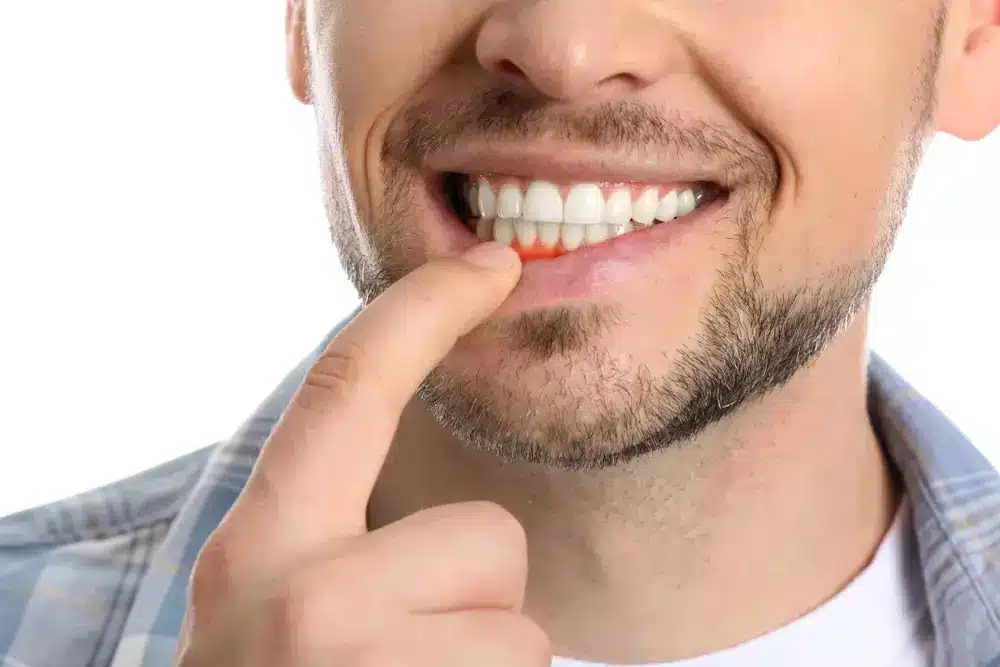
Jaw pain and tooth pain occupy overlapping territory that makes them easy to confuse. Both can produce a dull aching sensation around the face or jaw. Both can worsen when eating. Both can radiate to adjacent areas. And both can come and go in ways that make it hard to pin down a clear source.
Getting the distinction right matters because the treatments are completely different. A toothache that’s treated as jaw dysfunction doesn’t get better. A TMJ disorder managed with dental work aimed at a tooth that isn’t the problem doesn’t resolve either. Starting with the right diagnosis is the only path to the right treatment.
Here’s how to think about the difference before you get to the dental chair.
What a Toothache Feels Like
Toothaches originate in the tooth itself, most commonly from decay that has reached the inner pulp, a crack in the tooth, an abscess at the root tip, or a failing restoration. The pain is usually localized you can often point to a specific tooth or area when asked where it hurts.
Several characteristics tend to point toward a dental source. Pain that’s triggered by hot or cold food or drinks and lingers after the temperature stimulus is removed suggests pulp involvement. Pain that sharpens when biting down on a specific tooth often points to a crack or a failing restoration. Visible swelling of the gum near a specific tooth, or a bump on the gum that looks like a pimple, suggests an abscess. A constant, throbbing ache that disturbs sleep and doesn’t improve with over-the-counter pain relief points toward an infection that has progressed into the pulp.
Tooth pain doesn’t typically change when you move your jaw, open your mouth wide, or press on the muscles of the jaw and temple. If the pain responds to jaw movement in these ways, a dental source becomes less likely.
What TMJ Disorder Feels Like
The temporomandibular joints sit directly in front of the ear canal on each side. These joints, together with the surrounding muscles, control jaw opening, closing, and lateral movement. When this system isn’t functioning well, the symptoms can be wide-ranging and are frequently mistaken for other conditions entirely.
Common TMJ disorder symptoms include a dull, persistent ache in the jaw, temple, or ear area that isn’t triggered by specific foods or temperatures. Clicking, popping, or grinding sounds when opening or closing the mouth. A jaw that feels stiff or limited in how far it opens. Headaches that start at the temples or radiate down the jaw. Neck and shoulder muscle tension on the same side as the jaw discomfort. Ear pain or a sense of fullness in the ear without any ear infection present.
The critical difference is how the pain responds to jaw movement and palpation. Pressing on the muscles around the jaw and temple often produces or increases TMJ-related discomfort. Opening the mouth wide typically reproduces or worsens the symptoms. If pressing on the jaw muscles where they attach near the temple and the sides of the face makes the pain worse, the source is more likely muscular or joint-based than dental.
TMJ-related pain also tends to be worse in the morning if grinding or clenching during sleep is contributing, and worse during or after periods of stress.
Where It Gets Confusing
Several situations make the distinction genuinely difficult even for clinical assessment.
Referred pain is the main complicator. Tooth pain doesn’t always stay at the tooth. An inflamed or infected upper molar can send pain into the sinus area or the ear, mimicking ear or jaw problems. A lower molar can refer pain down into the jaw and chin. A patient with a lower molar abscess may genuinely feel the pain primarily in the jaw rather than the tooth.
Conversely, TMJ muscle tension can refer pain directly into specific teeth, making them feel sore even though no dental issue is present. Patients sometimes present convinced they have a cavity in a specific tooth, and clinical examination and X-rays show nothing wrong with it. The pain is real; it’s coming from the muscle, not the tooth.
The presence of both problems simultaneously is also possible. A patient can have a cracked tooth and TMJ dysfunction at the same time, and the symptoms can blur together in a way that requires careful clinical assessment to untangle.
How the Dentist Tells the Difference
Clinical differentiation relies on a combination of history, examination, and diagnostic tests. Temperature sensitivity tests, percussion tests (tapping the tooth to check for apical tenderness), X-rays, and palpation of the jaw muscles are all part of the assessment.
At Meadowleaf Dental, TMJ treatment is offered alongside general dental care. Patients experiencing persistent jaw pain, clicking, limited opening, or ear discomfort can have the jaw and bite assessed directly rather than working through a process of eliminating dental causes one by one. The team also offers night guards for patients whose symptoms relate to grinding and clenching during sleep, which is one of the most common contributors to TMJ muscle soreness.
If pain is severe or worsening, the emergency dentistry in Edmonton at Meadowleaf Dental covers when to seek same-day care.
Meadowleaf Dental | Serving the Meadows and Surrounding Edmonton Communities
The team at Meadowleaf Dental: Edmonton dentist welcome patients from The Meadows, Tamarack, Wild Rose, Mill Woods, and across Southeast Edmonton. The clinic accepts the Canadian Dental Care Plan and directly bills most insurers.
Call (780) 485-2911 to book a same-day or next-available appointment.