Dental treatment doesn’t have to mean the same amount of discomfort and downtime it once did. Laser dentistry has changed how certain procedures are performed, offering a more precise approach that often means less bleeding and a shorter recovery for many patients.
What Laser Dentistry Actually Is
Precision Instead of Traditional Instruments
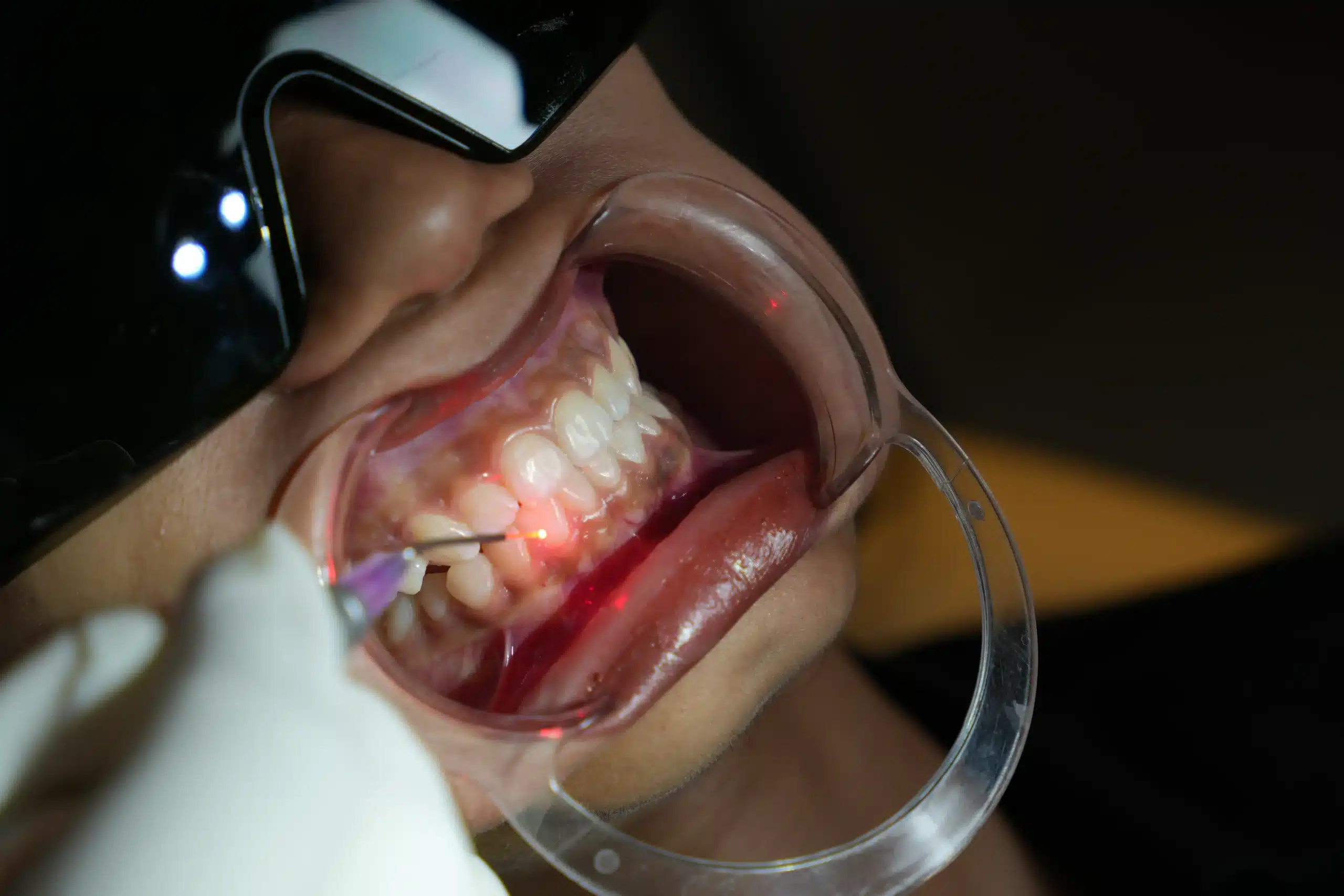
Laser dentistry uses focused light energy to perform certain procedures that would traditionally require a scalpel or drill. The laser can target specific tissue with a high degree of precision, which reduces the impact on surrounding areas.
Different Lasers for Different Purposes
Some lasers are designed for soft tissue procedures, such as gum contouring or treating certain infections, while others are suited for hard tissue work involving the tooth structure itself. The type used depends on the specific procedure being performed.
Why Laser Treatment Often Means Less Bleeding
Sealing Blood Vessels as It Works
As a laser removes or reshapes tissue, it simultaneously seals small blood vessels in the treated area. This is a major reason procedures involving soft tissue, like gum treatments, tend to involve significantly less bleeding compared to traditional methods.
A More Controlled Approach to Soft Tissue
Because the laser targets tissue precisely, there’s less unintended disruption to surrounding areas, which further limits bleeding during and after the procedure.
How This Reduces Swelling
Less Trauma to Surrounding Tissue
Traditional instruments can create more mechanical trauma to the tissue immediately surrounding the treatment area. Because laser treatment is more targeted, there tends to be less irritation to nearby tissue, which translates into reduced swelling during recovery.
Fewer Stitches Needed in Many Cases
Certain laser procedures don’t require stitches the way traditional surgical methods might, since the laser can seal the treated area as it works. Fewer stitches generally means less irritation during the healing process.
Why Recovery Time Tends to Be Shorter
Reduced Need for Anesthesia in Some Procedures
Some laser treatments involve less discomfort during the procedure itself, which can mean less reliance on anesthesia and a quicker return to normal activity afterward, depending on the specific treatment.
Faster Tissue Healing
Because laser treatment causes less trauma to surrounding tissue, the healing process for many procedures tends to move along more quickly than it would with a more invasive traditional approach.
Less Post-Procedure Discomfort
Patients undergoing laser treatment often report less discomfort in the days following the procedure compared to more traditional surgical methods, which can mean less reliance on pain medication during recovery.
Common Procedures That Use Laser Dentistry
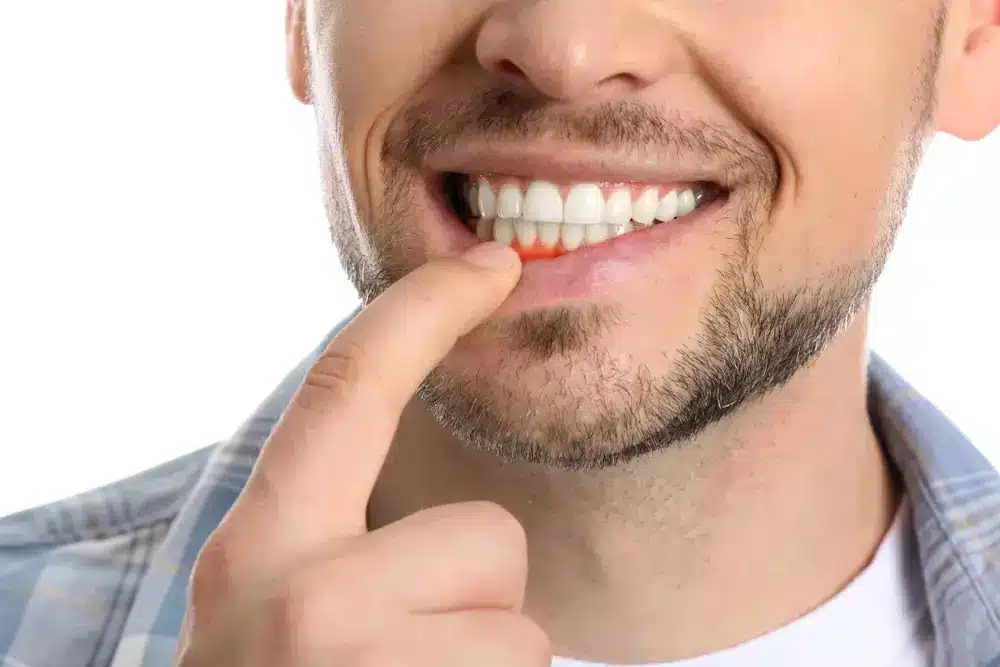
Gum Contouring and Treatment
Reshaping the gumline or treating early gum disease are procedures that often benefit from the precision and reduced bleeding that laser treatment offers.
Treating Canker Sores and Cold Sores
Laser treatment can be used to reduce the healing time and discomfort associated with certain oral sores, offering an alternative to simply waiting them out.
Removing Soft Tissue Growths
Small growths or lesions in the mouth can sometimes be removed using a laser, which allows for a more precise, less invasive approach than traditional surgical removal.
Certain Cavity Preparations
In some cases, lasers can be used to prepare a tooth for a filling, which may reduce the need for local anesthesia in minor procedures, depending on the extent of the decay.
Is Laser Dentistry Right for Every Procedure?
Not a Universal Replacement
While laser dentistry in Edmonton offers advantages for many procedures, it isn’t the right tool for every situation. More extensive restorative work or certain surgical procedures may still require traditional methods or a combination approach.
Your Dentist Determines the Best Approach
Whether laser treatment is appropriate depends on the specific procedure, the extent of the issue being treated, and your individual case. This is something your dentist evaluates during your exam.
What to Expect If You’re a Candidate
A More Comfortable Experience for Many Patients
Patients who are good candidates for laser treatment often describe the experience as more comfortable than they anticipated, particularly for soft tissue procedures where bleeding and swelling are typically more of a concern.
Discussing Options at Your Appointment
If you’re facing a procedure where laser treatment might be an option, it’s worth asking your dentist whether it applies to your specific situation and what the expected recovery would look like either way.
Is Laser Dentistry Safe?
A Well-Established Technology
Dental lasers have been used in practice for decades and are regulated medical devices, with settings calibrated specifically for the type of tissue being treated. This isn’t an experimental approach; it’s a refined alternative to traditional instruments for specific procedures.
Protective Measures During Treatment
Patients and staff wear protective eyewear during laser procedures as a standard precaution, similar to other safety measures used throughout a dental office. The laser itself is calibrated to affect only the targeted tissue, without extending its effect to unrelated areas of the mouth.
Why Training Matters
Because different lasers are suited to different procedures and tissue types, the dentist’s training and experience with the specific laser being used play a meaningful role in how predictably and safely a procedure goes. This is worth asking about if you’re curious how laser treatment is used in your specific case.
Considering Laser Dentistry for Your Next Procedure?
Less bleeding, less swelling, and a smoother recovery are meaningful benefits when they apply to your treatment. At Meadowleaf Dental, our Southeast Edmonton team can let you know whether laser dentistry is appropriate for your specific procedure.
Call us (780) 485-2911
To find out more, you can call our office directly or ask about laser dentistry at your next visit, as a Dentist Edmonton families in The Meadows and Southeast Edmonton have trusted for years.